What Is the Best Time to Visit Ternate for Perfect Weather?
Updated: July 2026
What Is the Best Time to Visit Ternate for Perfect Weather?
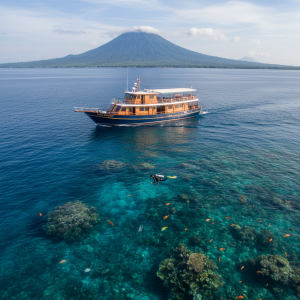
- You will experience clearer skies, essential for trekking Mount Gamalama and enjoying its panoramic views.
- Sea conditions are optimal, with visibility for diving and snorkeling often exceeding 20 meters.
- Comfort is maximized due to lower humidity and pleasant average temperatures around 28-30°C.
The air hangs thick with the sweet, pungent aroma of cloves, a scent that has shaped empires and drawn explorers across oceans for half a millennium. From my vantage point at Fort Tolukko, the volcanic cone of Mount Gamalama commands the skyline, its peak a sharp silhouette against a vast, impossibly blue sky. Below, the water of the Maluku Sea is a placid sheet of turquoise, disturbed only by the gentle puttering of a fishing boat heading toward the neighboring island of Tidore. This is the sensory immersion of Ternate during its prime season, a time when the island’s raw, historic beauty is unobscured by the whims of the tropics. Timing a visit here is not merely a matter of convenience; it is the key that unlocks the very essence of this legendary Spice Island.
Decoding Ternate’s Tropical Rhythms: The Two Key Seasons
Unlike the four distinct seasons you might be accustomed to, Ternate operates on a simpler, more dramatic binary: the dry season and the wet season. Understanding this fundamental rhythm is the first step in planning an impeccable journey. Located just 0.8 degrees north of the equator, the island exists in a state of perpetual summer, with air temperatures consistently hovering between 25°C and 31°C year-round. The critical variable here is not temperature, but precipitation. The island’s climate is governed by the monsoon winds, which dictate everything from diving visibility to the feasibility of a volcano ascent. My conversations with local guides, honed over years of leading expeditions, always circle back to this singular point: respect the monsoon.
The dry season, locally known as musim timur (east monsoon), typically runs from April through September. This is the period we overwhelmingly recommend for our clients. During these months, rainfall significantly decreases, often to below 150mm per month, a stark contrast to the wet season’s deluge. The result is day after day of brilliant sunshine, interrupted by only the occasional, fleeting shower. Humidity levels drop, making the equatorial heat far more manageable for activities like exploring the island’s colonial-era forts. The seas, sheltered from the strong westerly winds, become calm and clear, transforming the waters around Ternate into a world-class destination for underwater exploration. This is undoubtedly the best time to visit Ternate for the traveler who wishes to experience the full spectrum of its outdoor adventures without compromise.
Conversely, the wet season, or musim barat (west monsoon), arrives in October and intensifies through March, with peak rainfall often recorded in December and January. During this time, monthly precipitation can easily exceed 350mm. This doesn’t mean constant, unrelenting rain. More often, it manifests as powerful, dramatic downpours in the afternoon, followed by periods of overcast skies. While the island’s clove and nutmeg plantations are at their most verdant, the practicalities of travel become more complex. Hiking trails on Mount Gamalama can become treacherous, and boat crossings to other islands may be delayed or cancelled due to rough seas. For the luxury traveler, this unpredictability can be a significant impediment to a seamless itinerary.
The Prime Window: Why April to September Is Your Gold Standard
Focusing on the dry season from April to September allows for an itinerary built on reliability and access to Ternate’s most profound experiences. This is the window when the island truly performs for its visitors. For the active traveler, the ascent of Mount Gamalama, the 1,715-meter-high stratovolcano that forms the island, becomes a highlight rather than a hazard. The 4-to-6-hour trek to the crater rim is challenging yet rewarding, and during these months, the paths are drier and the summit is far more likely to be free of cloud cover, affording spectacular 360-degree views of the surrounding Maluku Islands.
Beneath the waves, the difference is just as stark. According to dive masters I’ve worked with from the local Ternate Scuba community, underwater visibility during the dry season regularly hits an exceptional 25-30 meters. This clarity is crucial for appreciating sites like the wreck of the Togumaru Maru, a Japanese freighter sunk during World War II, or the vibrant coral walls teeming with marine life off the coast of Hiri Island, a mere 15-minute boat ride away. The calm surface conditions make for comfortable boat journeys and effortless entries and exits for both divers and snorkelers. Planning a bespoke journey to Ternate Island during this period ensures that these world-class underwater encounters are at their absolute best.
Above water, the stable weather enhances cultural and historical exploration. The light is perfect for photography, casting the weathered stone of 16th-century Fort Kastela and the stately white walls of the Kedaton (Sultan’s Palace) in a warm, golden glow. Travel between the island’s numerous historical sites is straightforward, and the gentle sea breezes provide a welcome respite while enjoying fresh coconut water at a seaside café overlooking the strait to Tidore. This six-month stretch is, without question, the season that aligns with the expectations of a discerning traveler, where the logistics of adventure fade into the background, allowing for pure, unadulterated discovery.
Shoulder Seasons: A Calculated Opportunity
For the traveler with a flexible schedule or a penchant for serendipity, the shoulder months—specifically late March into April and late September into early October—present a compelling, if slightly unpredictable, alternative. These are periods of transition, where the monsoon winds are literally changing direction. The weather can be a mixed affair, offering some of the best qualities of both seasons, but it requires a certain tolerance for spontaneity. I often advise clients considering these windows to build an extra day or two into their itineraries as a buffer against potential weather delays.
The primary appeal of the shoulder season is the landscape itself. In late March and April, Ternate is emerging from the wet season, and the vegetation is extraordinarily lush and vibrant. The air is clean, the waterfalls are at their most powerful, and the island’s greenery seems to radiate an intense, primal energy. You get the visual drama of the wet season with the rapidly improving weather of the dry. Similarly, in late September, the first rains after the dry spell can wash the dust from the air, creating a refreshed atmosphere. Visitor numbers are typically lower than in the peak months of July and August, lending a greater sense of solitude and discovery to your explorations.
However, this is a calculated gamble. An afternoon downpour might interrupt a planned hike, or a sudden squall could make a boat trip to Maitara Island less comfortable. But for some, this is part of the appeal. As my trusted local contact, Ardi, a boat captain with 20 years of experience navigating these waters, puts it, “The weather here has its own spirit. Sometimes she is calm, sometimes she is passionate. The shoulder season is when you see both sides of her personality.” For photographers seeking dramatic cloudscapes or travelers who prefer a more contemplative pace, these transitional weeks can yield unique and deeply rewarding experiences, often at a slightly better value for private charters and guides.
Beyond the Weather: Festivals and Cultural Events to Anchor Your Trip
While weather is the primary consideration for most, aligning your visit with one of Ternate’s vibrant cultural festivals can elevate your journey from a simple vacation to a profound cultural immersion. The island’s rich history as the seat of a powerful sultanate is not just confined to museums and forts; it is a living, breathing part of modern life, and nowhere is this more apparent than during its traditional celebrations. Planning around these events provides a compelling reason to choose specific dates within the ideal weather window.
The most significant of these is the Legu Gam Festival, typically held in mid-April to celebrate the Sultan of Ternate’s birthday. This multi-day event is a spectacular showcase of North Malukan culture. The streets come alive with parades, traditional music, and dance performances. The highlight is the maritime procession, where fleets of colorfully decorated kora-kora (traditional war canoes) race in the channel between Ternate and Tidore. Attending Legu Gam offers an opportunity to witness ancient traditions firsthand. Its timing in April perfectly coincides with the beginning of the dry season, making it an ideal anchor for your trip and a key reason why April is often cited as the absolute best time to visit Ternate.
Conversely, for those willing to brave the wetter months, the Kora-Kora Festival, often held in December, offers a powerful historical reenactment. This event commemorates the historic sea battles fought by the Sultanate’s navy. While the weather may be less reliable, the sight of these massive, oared vessels, once the backbone of the spice trade’s military might, cutting through the choppy waters is a truly formidable spectacle. This rich maritime heritage is a key part of what makes this region so significant, as noted in the historical context of the Spice Islands’ trade routes, which are on UNESCO’s Tentative World Heritage list. Choosing your travel dates based on these cultural touchstones can provide a deeper connection to the history and people of this extraordinary island.
The Monsoon Experience: Finding Value in the Wet Season (October – March)
While we guide the majority of our travelers toward the dry season, it would be a disservice to completely dismiss the wet season, from October to March. For a certain type of traveler, this period holds its own unique allure. It requires flexibility, the right mindset, and appropriate gear, but the rewards can include a sense of solitude and an experience of the island at its most raw and dramatic. This is not the ideal time for a first-time visitor with a packed itinerary, but for a returning guest or a seasoned tropical traveler, it can be a fascinating alternative.
The primary advantage is the significant reduction in other visitors. You may find you have historical sites like Fort Oranje almost entirely to yourself, allowing for a more intimate and contemplative exploration. The island’s natural environment undergoes a transformation; the rains saturate the volcanic soil, and the clove and nutmeg trees display their deepest shades of green. The sound of a tropical downpour on the roof of your villa, experienced with a good book and a cup of local spice tea, is an atmospheric pleasure in itself. For travelers whose interests are less focused on sunbathing and more on history, culture, or simply unwinding, the wet season can be perfectly suitable. Activities centered around the Sultan’s Palace or local markets are largely unaffected by the rain.
Practical considerations are key. Your itinerary must be fluid. A planned boat trip may be postponed, so it’s wise to have land-based alternatives. Packing should include a high-quality rain jacket, quick-drying clothing, and waterproof bags for electronics. While diving continues, as mentioned, runoff from the 44-square-kilometer island can reduce visibility near the shore. However, offshore sites may remain clearer. According to official sources like Indonesia’s national tourism board, domestic travel continues year-round, and with fewer tourists, you may find greater availability and value in high-end accommodations, making it an opportune time for an extended, leisurely stay on this magnificent Ternate Island.
Quick FAQ: Your Ternate Weather Questions Answered
Even with a seasonal overview, specific questions often arise when planning a trip of this caliber. Here are direct answers to some of the most common queries we receive from clients planning their Ternate escape.
Q: What is the average temperature in Ternate?
A: Ternate enjoys a remarkably consistent tropical climate. Year-round daily temperatures average between 25°C and 31°C (77°F to 88°F). The more significant factor for comfort is humidity, which is noticeably lower and more pleasant during the dry season from April to September, making the heat feel less oppressive.
Q: Is Ternate affected by typhoons?
A: No, its location is a major advantage. Ternate sits at a latitude of just 0.8° North, placing it well outside the Pacific’s main typhoon belt. While the monsoon season brings strong winds and heavy rain, the destructive, large-scale cyclonic storms that affect regions like the Philippines are not a concern here, as confirmed by historical meteorological data from the region.
Q: How does the weather affect diving visibility?
A: The impact is significant. During the prime dry season months, calm seas and minimal land runoff allow for exceptional underwater clarity, frequently reaching 20-30 meters. In the wet season, especially from December to February, heavy rains can wash volcanic sediment into the sea, reducing visibility to a range of 5-15 meters, particularly at dive sites closer to the coastline.
Q: Do I need to book travel far in advance for the dry season?
A: For a truly planned itinerary, yes. While Ternate doesn’t see the mass tourism of Bali, the number of high-end private villas, expert guides, and dive charters is limited. To secure the best options, especially if your visit coincides with the popular Legu Gam festival in April, we strongly advise booking your arrangements 4-6 months in advance. This ensures access to the premier experiences that define the allure of Ternate Island.
Ultimately, the decision of when to visit Ternate hinges on your personal travel philosophy. For the traveler seeking adventure without compromise—the volcano treks, the crystalline dives, the sun-drenched explorations of history—the verdict is clear: the dry season from April to September is your unequivocal answer. This is the period when the island presents its finest self, allowing for a seamless and deeply enriching experience. The weather aligns to reveal the full majesty of this storied destination, the original epicenter of the global spice trade. Ready to plan your bespoke journey to the heart of the Spice Islands? Explore our curated experiences on Ternate Island and let us craft an itinerary that aligns perfectly with the seasons and your aspirations.